top of page

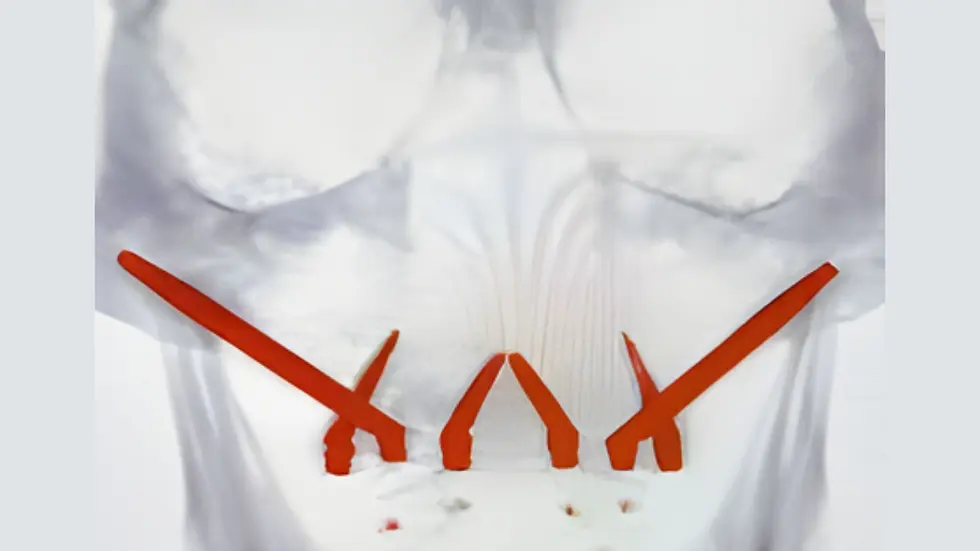
The PATZI Implant Protocol is one of the most advanced full-arch implant techniques in modern dentistry, designed for patients with severe upper jaw bone loss who cannot receive traditional All-on-4 or All-on-6 implants.
PATZI stands for:
P — Pterygoid Implants
A — Anterior Implants
T —Transnasal/Transitional/Additional Support (when needed)
Z — Zygoma Implants
I — Immediate Loading Protocol
This unique combination allows surgeons to rehabilitate even the most complex maxillary cases—without bone grafting, sinus lifts, or long waiting periods.
Why Was the PATZI Protocol Developed?
Many patients with long-term missing teeth suffer from:
Severe posterior bone loss
Expanded sinuses
Weak premaxilla
Denture failure
Gum disease–related bone destruction
These patients are often told:“You don’t have enough bone for implants.”
PATZI was created specifically for these cases.
It uses the remaining natural anchor points in the skull—pterygoid plate, zygoma bone, and strong anterior bone—to provide maximum stability and immediate fixed teeth.
Components of the PATZI Protocol
1️⃣ Pterygoid Implants (P)
Placed in the pterygoid plate, providing strong posterior support without sinus involvement.Benefits:
No sinus lift needed
Strong anchorage
Supports long-span prostheses
2️⃣ Anterior Implants (A)
Placed in the premaxilla (front jaw), which usually retains good bone even in severe bone loss.
Benefits:
High primary stability
Ideal for immediate loading
Anchor point for midline prosthetic support
3️⃣ Transitional / Additional Support (T)
Some surgeons use “T” for transitional implants; some interpret it as trans-nasal.
In practical usage (India & global):
T = optional extra implants to enhance stability
Custom-selected based on bone availability
4️⃣ Zygoma Implants (Z)
Long implants anchored into the cheekbone (zygoma).Used when posterior maxillary bone is severely resorbed.
Benefits:
Extremely strong anchorage
Ideal for end-stage bone loss
Eliminates need for bone grafts
5️⃣ Immediate Loading (I)
The hallmark of PATZI:Fixed teeth within 72 hours.
The mechanical stability from Pterygoid + Anterior + Zygoma allows a full-arch temporary prosthesis to be attached immediately.
PATZI vs Conventional All-on-4 / All-on-6!
Feature | All-on-4 | All-on-6 | PATZI |
Severe bone loss | ❌ Not ideal | ⚠️ Limited | ✅ Best |
Sinus involvement | ❌ Needs grafts | ⚠️ Sometimes | ✅ No grafts |
Immediate load | ✔ Yes | ✔ Yes | ✔ Yes |
Zygoma support | ❌ No | ❌ No | ✔ Yes |
Posterior stability | ⚠️ Limited | ✔ Better | ⭐ Maximum |
Ideal for failed dentures | ✔ Yes | ✔ Yes | ⭐ Best option |
PATZI is considered the highest stability protocol for the maxilla.

Who Is the Right Candidate for PATZI?
You may be a good candidate if you have:
✔ Severe bone loss in the upper jaw
✔ Failing or loose dentures
✔ Failed previous implants
✔ Sinus expansion or pneumatization
✔ Gum disease-related bone destruction
✔ Long-term missing teeth
✔ Want fixed teeth without grafting
✔ Want immediate teeth (within 72 hours)
Even “hopeless cases” often qualify.
Who Is NOT a Candidate?
PATZI may not be ideal if you have:
Uncontrolled diabetes
Severe heart issues
Active infections requiring stabilization
Inability to maintain hygiene
Heavy chronic smoking (unless reduced/quit)
Your OMFS surgeon evaluates this during the consultation.

Step-by-Step PATZI Implant Procedure
Step 1 — CBCT Scan & Planning
3D imaging identifies bone availability in:
Zygoma
Pterygoid region
Anterior jaw
Sinus floor
Nasal base
Step 2 — Implant Placement
Anterior implants placed first
Pterygoid implants for posterior support
Zygoma implants placed if needed
Additional transitional implants included as required
Step 3 — Impressions for Temporary Teeth
Taken on the same day.
Step 4 — 72-Hour Fixed Teeth
A reinforced temporary bridge is attached.
Step 5 — Final Teeth (3–4 months)
Custom zirconia or ceramic prosthesis delivered after full healing.
Advantages of PATZI Protocol
⭐ No bone grafting
⭐ Works in extreme bone loss
⭐ Fixed teeth within 72 hours
⭐ Superior long-term stability
⭐ Uses strong anatomical anchor points
⭐ High success rate in failed denture cases
⭐ Predictable for complex full-arch rehabilitation
Risks & Considerations (Explained Simply)
All surgical procedures have risks, but with proper planning, PATZI is safe.
Possible considerations:
Temporary swelling
Initial sinus discomfort (rare)
Need for hygiene maintenance
Regular follow-ups
An experienced OMFS surgeon minimizes these risks significantly.
Why Choose an OMFS Surgeon for PATZI?
PATZI requires:
Anatomical mastery of the maxilla
Experience with Zygoma & Pterygoid techniques
3D planning expertise
Immediate loading knowledge
An Oral & Maxillofacial Surgeon (MDS OMFS) is the most qualified clinician to perform this advanced protocol.
PATZI Implant Protocol at YOUR DENTIST
YOUR DENTIST is one of the few centers performing PATZI safely and predictably, led by:Dr. E. Surendranath, MDS, OMFS
Expert in Zygoma, Pterygoid & Full-Arch Implants
15+ years of implant experience
30,000+ implant surgeries
CBCT-based guided approach
Immediate loading expertise
Patients who were told “implants are impossible” often get full-arch fixed teeth here—without any grafts.
11 Nov 2025
Learn how the PATZI Implant Protocol combines Pterygoid, Anterior, and Zygoma implants to restore full-arch fixed teeth in severe bone loss cases—without grafting.
PATZI Implant Protocol: A Complete Guide
Experienced OMFS implant surgeons trained in Zygoma & Pterygoid techniques.
Who performs PATZI implants?
No — it is a graftless protocol.
Does PATZI require bone grafting?
Yes, usually within 72 hours.
Can I get immediate fixed teeth with PATZI?
Yes, in cases of extreme upper jaw bone loss.
Is PATZI better than All-on-4?
A combination of Pterygoid, Anterior, and Zygoma implants for severe bone loss.
What does PATZI mean?
Frequently Asked Questions
Dr. Surendranath is a Maxillofacial Surgeon and Implantologist with over 15 years of expertise. He specializes in advanced dental implantology, including All-on-4, All-on-6, and Zygomatic implants, and has successfully completed more than 25,000 implant surgeries. Known for his precision and patient-focused care, he leads YOUR DENTIST in providing world-class dental solutions.
15+ years experience, 25,000+ implant surgeries
MDS, OMFS, Implantologist
Dr. E. Surendranath

bottom of page